

Skip to content

2026 Top Energy Solutions for Global Buyers

Global energy buyers are entering 2026 with tighter budgets and higher reliability expectations. Price alone no longer defines a successful energy project. Buyers must also examine grid access, operating conditions, financing, carbon intensity, and equipment support.

The International Energy Agency’s Electricity 2024 report forecasts that renewables will provide about 95% of global electricity demand growth through 2026. Its World Energy Investment 2024 report also estimates that clean energy investment will exceed $2 trillion in 2024, roughly twice fossil-fuel investment. These figures show a clear market direction. They do not guarantee equal results everywhere.

IRENA’s Renewable Capacity Statistics 2025 recorded 585 gigawatts of renewable capacity added during 2024. Solar power led this expansion, while batteries increasingly supported hourly balancing and peak demand. For global buyers, practical solutions energy should combine solar, wind, energy storage, efficient cooling, smart controls, and stronger grid connections. A two-hour battery may suit a commercial building. A remote mine may need longer-duration storage and backup generation.

Procurement teams should request verified performance data, warranty terms, degradation estimates, and local service plans. They should compare lifetime cost, not only the equipment’s purchase price. Independent testing and transparent supplier records matter. So do realistic assumptions about weather, land, permits, and transmission capacity.

No portfolio is perfect. Forecasts can miss commodity prices, policy changes, or extreme weather. That uncertainty deserves attention, not marketing language. The strongest 2026 energy strategies will remain flexible, measurable, and grounded in evidence. They will reduce emissions while protecting uptime, cash flow, and long-term energy security.
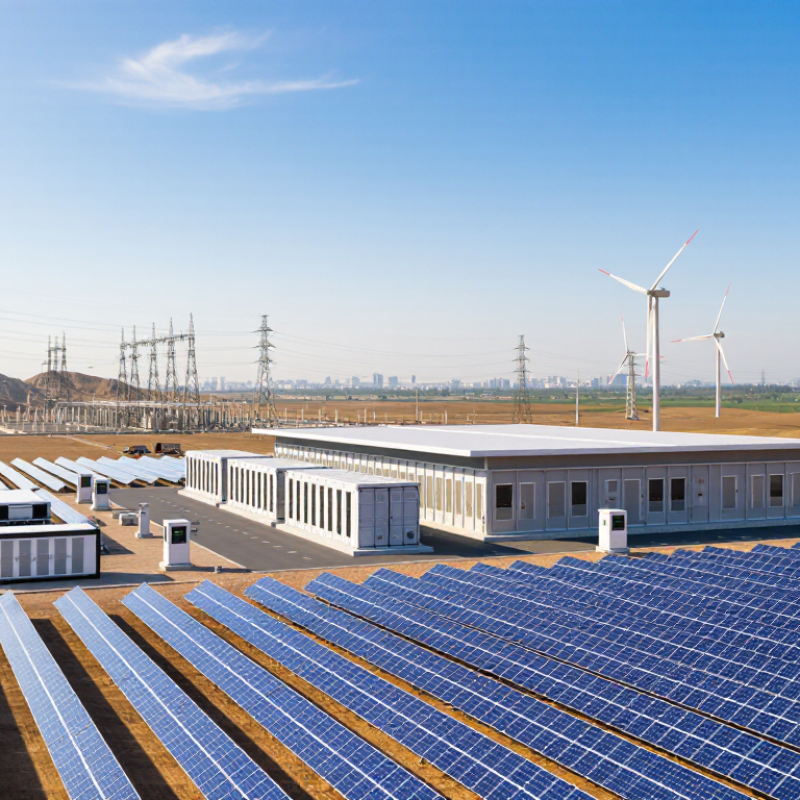
2026 Top Energy Solutions for Global Buyers

Global Energy Demand and Buying Priorities in 2026

In 2026, energy demand is being shaped by expanding data centers, industrial electrification, and hotter periods that increase cooling needs. Buyers in different regions face different pressures. A factory may need steady power through shift changes, while a remote site may value storage and dependable local generation. One specification rarely fits every location. That matters.

Global buyers are looking beyond purchase price. They are comparing operating costs, expected equipment life, service access, and performance under changing loads. A system that handles a sharp evening peak may be more useful than one with impressive output under ideal conditions. Ask suppliers for clear assumptions behind efficiency claims, including climate, maintenance intervals, and likely degradation. Small details count, like whether replacement parts can reach a rural site quickly.

Procurement teams also need to examine how generation, storage, and grid connections work together. A battery can smooth brief fluctuations, but it cannot solve every supply problem. Buyers should review realistic load data, backup plans, and monitoring options before choosing a system. Local technicians matter. So do transparent warranties and documented safety procedures. Even careful forecasts can miss demand shifts; that is an uncomfortable, practical limit. Revisit the plan as operating patterns change.

Key Categories of Energy Solutions for International Buyers

International buyers can compare energy solutions more clearly by separating generation, storage, grid equipment, and end-use efficiency. The right mix depends on local sunlight, wind patterns, connection capacity, and daily demand. A warehouse with a hot afternoon peak has different needs from a remote clinic running refrigeration overnight. Small sites differ.

Solar and wind equipment form the generation category, while inverters and control systems help deliver usable power. IRENA’s Renewable Capacity Statistics 2025 reports that global renewable capacity reached 4,448 GW by the end of 2024, after 585 GW was added that year. The IEA’s Renewables 2024 report projects nearly 5,500 GW of new renewable capacity between 2024 and 2030. Those figures show scale, not a guarantee of good project economics. Local grid studies still matter.

Storage, grid upgrades, and efficiency are equally practical categories. Batteries can shift surplus daytime solar into evening hours; transformers and switchgear help manage connections; efficient motors and cooling systems reduce the load itself. The IEA’s Batteries and Secure Energy Transitions report says battery storage capacity needs to reach 1,200 GW by 2030 in its net-zero pathway. That is an ambitious benchmark. Buyers should check usable capacity, operating conditions, maintenance support, and replacement assumptions—not just headline ratings. A tidy specification sheet can still hide a poor fit.

How to Compare Cost, Reliability, and Sustainability

2026 Top Energy Solutions for Global Buyers

How to Compare Cost, Reliability, and Sustainability

Energy buyers in 2026 need more than a low purchase price. A practical comparison starts with total cost over the system’s useful life. Include installation, maintenance, financing, replacement parts, and grid connection fees. A cheaper unit may become expensive after repeated repairs. Ask suppliers for itemized assumptions, not attractive headline figures.

Reliability should be measured in operating conditions. Review uptime records, response times, warranty coverage, and local service capacity. A system beside a dusty construction site faces different risks from one in a humid coastal area. Request test results from similar climates. Check whether technicians can reach the site within hours or several days. Small details matter.

Sustainability requires evidence, not polished language. Examine energy efficiency, material sourcing, expected service life, recyclability, and emissions across manufacturing and transport. Independent audits can strengthen supplier claims. Our early cost model once ignored battery replacement waste. That mistake looked minor on paper. It was not. Buyers should also compare monitoring tools, because missing performance data can hide gradual losses. A transparent supplier will explain uncertain figures and update projections when conditions change. Perfect forecasts do not exist. Better decisions come from visible assumptions, measured results, and honest limits.

2026 Top Energy Solutions for Global Buyers — How to Compare Cost, Reliability, and Sustainability

Unsubsidized levelized cost of energy (LCOE) estimates provide a cost benchmark; actual project economics vary by location, financing, and grid conditions.

How to read the comparison: The bars show estimated cost ranges in U.S. dollars per megawatt-hour. Capacity factor is an operational utilization measure—not a direct measure of grid reliability or dispatchability. Lifecycle emissions are median estimates and can vary by project and methodology.

Capacity factor (U.S. fleet, approximate 2023): Onshore wind 34%; utility-scale solar 23%; combined-cycle gas 57%; coal 42%; nuclear 93%.

Lifecycle emissions (median, g CO₂e/kWh): Onshore wind 11; utility-scale solar PV 48; combined-cycle gas 490; coal 820; nuclear 12.

Sources: Lazard, LCOE+ v17.0 (2024), unsubsidized U.S. LCOE estimates; U.S. Energy Information Administration, 2023 capacity-factor data (rounded); IPCC, AR5 WGIII, Annex III, median lifecycle emissions. These are technology-level benchmarks, not project-specific forecasts.

Regional Market Factors Affecting Energy Solution Selection

Global buyers entering 2026 should evaluate energy solutions through regional conditions, not global rankings. Grid strength, weather, tariffs, and permitting rules can change project economics quickly. The International Energy Agency reported in World Energy Investment 2024 that global energy investment would exceed $3 trillion, with about $2 trillion directed to clean energy. Yet capital alone does not guarantee reliable power.

In regions with strong grids, solar, wind, storage, and demand management can work as a coordinated portfolio. The IRENA Renewable Capacity Statistics 2025 recorded 585 gigawatts of renewable capacity added in 2024. Renewables represented more than 90% of total new power capacity. However, sunny regions may still face evening shortages. Batteries, flexible loads, and accurate forecasting become practical requirements. Small mistakes become expensive.

Emerging markets need a different screening process. Weak transmission, high financing costs, and limited technical support can outweigh equipment efficiency. In hot climates, cooling demand may peak after sunset. In water-stressed areas, low-water technologies deserve priority. The World Bank’s Global Economic Prospects highlights continuing financing pressure across developing economies, which affects project affordability. Buyers should test solutions against local outages, seasonal demand, and maintenance skills. A perfect model rarely survives field conditions. Be willing to revise the specification.

2026 Top Energy Solutions for Global Buyers - Regional Market Factors Affecting Energy Solution Selection

Indicative regional comparison for buyer planning. The solutions listed reflect established resource patterns and market needs; project suitability depends on local regulation, grid conditions, resource assessments, and site-specific economics.

Region Relevant Energy Solutions Regional Market Factors Key Selection Considerations Typical Buyer Priorities
Europe Onshore and offshore wind; utility-scale and rooftop solar; battery storage; grid upgrades; heat pumps Strong decarbonization policies and established renewable markets; variable wind and solar output increases the value of flexible grids, storage, and cross-border interconnection. Permitting timelines, grid connection capacity, land or seabed constraints, market design, and exposure to wholesale-price changes. Low-carbon electricity, reliable delivery, storage integration, regulatory compliance, and long-term operating performance.
North America Utility-scale solar and wind; battery storage; distributed solar; hydropower; geothermal; transmission and grid modernization Resource quality varies widely by location. Large power markets, growing electricity demand, and transmission bottlenecks shape project opportunities; policies differ by country, state, province, and utility territory. Interconnection queues, regional market rules, tax and incentive eligibility, extreme-weather resilience, and availability of transmission. Cost certainty, dependable capacity, resilience, flexible procurement, and compatibility with local grid requirements.
East Asia Solar; onshore and offshore wind; hydropower; nuclear power where permitted; batteries; demand response and grid flexibility High electricity demand and dense industrial activity coexist with limited land in many areas. Import dependence for some fuels and the need to balance variable renewables influence energy planning. Land availability, grid congestion, local approval requirements, supply-chain exposure, and the ability to integrate storage or flexible demand. Secure electricity supply, industrial reliability, efficient use of limited space, and reduced exposure to imported fuel prices.
South Asia Solar; onshore wind in suitable locations; hydropower; batteries; mini-grids; efficient cooling and demand management Rapidly growing electricity demand, high cooling loads, uneven grid access, and strong solar resources in many areas create opportunities for both large projects and distributed systems. Grid reliability, land and permitting, financing costs, seasonal water availability for hydro, and access to maintenance and replacement parts. Affordable power, dependable service, scalable deployment, lower diesel dependence in remote areas, and improved peak-demand management.
Southeast Asia Solar; hydropower; geothermal in resource-rich locations; wind where site conditions are suitable; batteries; regional grid interconnection Electricity demand is increasing, while renewable resources and grid development differ substantially between countries and islands. Hydropower output can vary with rainfall and seasonal conditions. Island-grid constraints, resource assessments, environmental and social impacts, transmission access, and consistency of national procurement rules. Reliable power for growing cities and industry, solutions for isolated grids, diversified generation, and practical grid integration.
Middle East and North Africa Utility-scale solar; wind in suitable areas; battery storage; grid upgrades; efficient cooling; low-emissions hydrogen projects where infrastructure and demand support them High solar potential and substantial cooling-related electricity demand are important market features. Water scarcity, fuel-export economics, and differences in policy and grid structure affect project selection. Water use, dust and heat performance, storage duration, transmission capacity, offtake arrangements, and the maturity of hydrogen transport and end-use infrastructure. Reliable peak supply, efficient cooling, reduced water intensity, resource diversification, and credible long-term demand for new fuels.
Sub-Saharan Africa Distributed solar and batteries; mini-grids; utility-scale solar; hydropower; geothermal in suitable locations; grid rehabilitation Energy access and grid reliability remain central considerations in many markets. Solar resources are widespread, while hydropower and geothermal opportunities are geographically specific. Local payment and tariff structures, currency and financing risk, grid connection, maintenance capacity, battery replacement planning, and water or environmental impacts. Affordable access, dependable electricity for homes and businesses, modular deployment, local service capability, and reduced reliance on costly diesel generation.
Latin America and the Caribbean Hydropower; solar; onshore wind; battery storage; transmission; distributed generation for islands and remote communities Hydropower is significant in several national power systems, while solar and wind resources are strong in particular areas. Drought can affect hydro output, and island grids may face fuel-import dependence. Hydrological variability, transmission availability, environmental and community impacts, permitting, and the scale of the local grid. Resource diversification, drought resilience, cost-effective supply, improved transmission, and suitable solutions for small or isolated grids.
Oceania Solar; onshore and offshore wind where suitable; batteries; pumped hydropower storage where feasible; transmission; distributed energy resources Strong solar and wind resources in many areas are paired with long distances between generation and demand centers. Island systems and remote communities may have limited grid flexibility. Transmission build-out, connection access, storage requirements, cyclone or bushfire exposure in relevant locations, and the cost of servicing remote assets. Grid stability, renewable integration, resilience to extreme weather, and practical supply for remote and island communities.

Procurement, Deployment, and Future-Proofing Strategies

Global buyers are prioritizing solar generation, battery storage, efficient heat systems, and flexible microgrids in 2026. Procurement should begin with measured demand, not attractive product brochures. Review load profiles by hour, seasonal weather, grid reliability, and expansion plans before requesting bids. Require verified performance data, transparent warranties, spare-parts access, and documented compliance with local safety and grid requirements.

Ask suppliers to disclose total ownership costs, including installation, software, inspections, replacement parts, and end-of-life handling. A low purchase price can conceal expensive downtime. Compare at least three technically equivalent proposals. Define acceptance tests before signing. Measure output, response time, energy losses, and protection-system performance during commissioning. Pilot before scaling. Small failures teach quickly.

Deployment needs a trained local team, clear site controls, and practical maintenance schedules. Store critical components in secure, climate-suitable conditions. Use open communication protocols where possible, so future equipment can connect without costly redesign. Protect operational networks with access controls, patch procedures, backups, and incident reporting. No forecast is perfect. Climate stress, policy changes, and supply delays may still disrupt plans. Buyers should run conservative and severe scenarios, then reserve budget and space for upgrades. Recycling requirements also deserve attention, especially for batteries and electronic equipment. A technically strong project can still underperform when training, documentation, or community communication is treated as an afterthought.