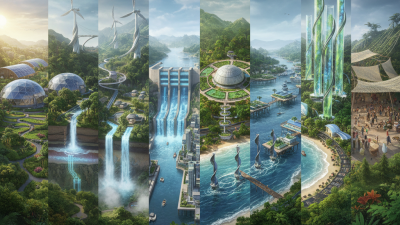

In today’s world, the "source of the energy" is a crucial topic. Experts emphasize its significance in multiple ways. Dr. Emily Carter, a renowned energy researcher, states, “The source of energy we choose affects our environment, health, and economies.” This highlights the interconnectedness of energy choices and their broader impacts.
Energy sources shape how we live and work. For example, renewable energy promotes cleaner air and sustainable practices. Fossil fuels, on the other hand, contribute to climate change. Yet, many still rely on them due to convenience and infrastructure. This dilemma urges us to reconsider our choices.
As we look towards the future, we face questions about sustainability and innovation. Emerging technologies can facilitate a shift in our energy sources. However, it requires collective effort and commitment. Reflection on our current energy usage may lead to better solutions for tomorrow. Understanding the source of the energy is not just an intellectual exercise; it’s vital for a sustainable life.
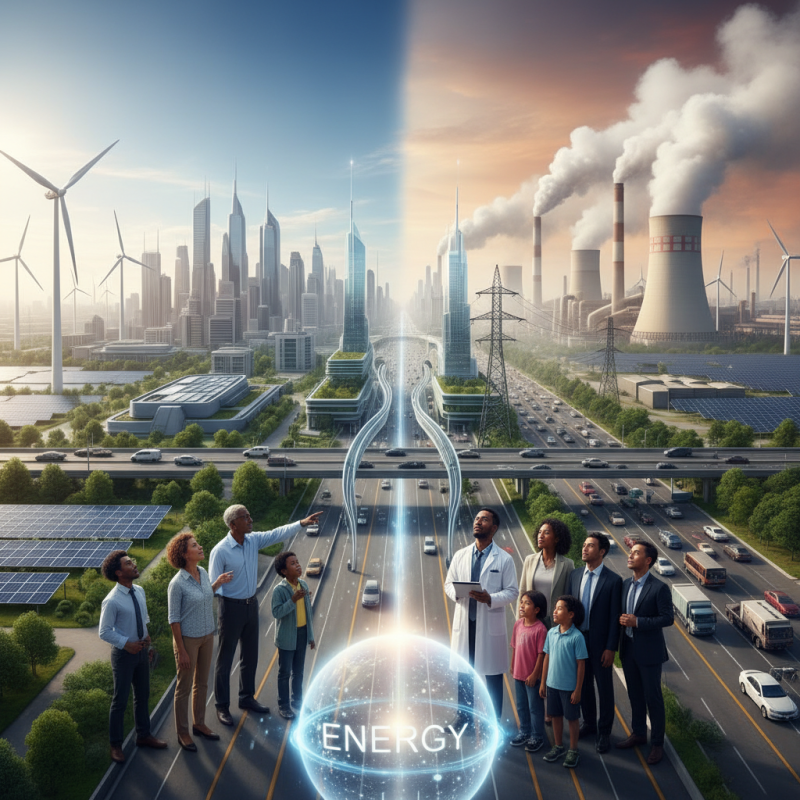
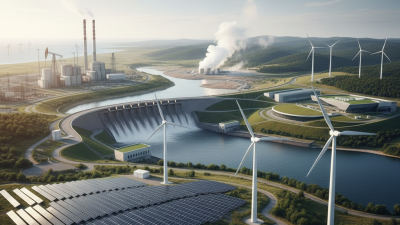
Energy sources play a crucial role in our daily lives. They can be classified into two main types: renewable and non-renewable. Renewable energy sources include solar, wind, and hydro. Non-renewable sources consist of fossil fuels like coal, oil, and natural gas. According to the International Energy Agency, renewable energy accounted for about 29% of global electricity generation in 2020. This percentage is rising, as clean energy solutions become more favorable.
Each type of energy source impacts our lives differently. Renewable sources generally contribute to reduced air pollution and less environmental degradation. On the other hand, fossil fuels remain a significant part of energy production but contribute to climate change. The balance between these energy types is crucial for sustainable development. A recent report states that transitioning to renewable energy could help reduce greenhouse gases by up to 70% by 2050.
**Tip:** Consider how you use energy every day. Use energy-efficient appliances to save on electricity bills. Small changes in habits can lead to significant impacts on energy consumption.
Reflection is essential. While it's easy to overlook, the urgency of addressing our energy sources cannot be ignored. Each individual's choice plays a role in shaping the future of our planet.
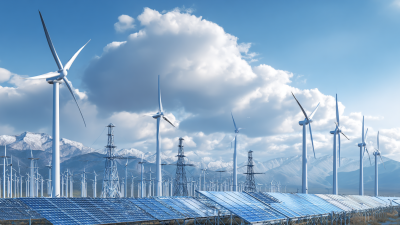
Natural energy sources are reshaping our world.
Solar, wind, and hydro power stand out as key players.
According to the International Renewable Energy Agency (IRENA), renewable energy capacity reached over 2,800 GW globally in 2020.
This number has only grown since then. Solar energy alone accounted for nearly 50% of the new renewable capacity that year.
Wind energy is rapidly expanding as well.
Global onshore and offshore wind capacity is projected to increase by more than 600 GW by 2025.
In regions with suitable geography, wind turbines can generate substantial energy.
However, some areas face challenges due to fluctuating wind patterns.
Tips: Consider the space needed for solar panels. They should receive direct sunlight for optimal energy production.
Educate yourself on local policies regarding renewable installations. Maintaining wind turbines poses challenges;
regular checks are necessary for efficient operation. Understanding these aspects may increase energy efficiency in your home or community.
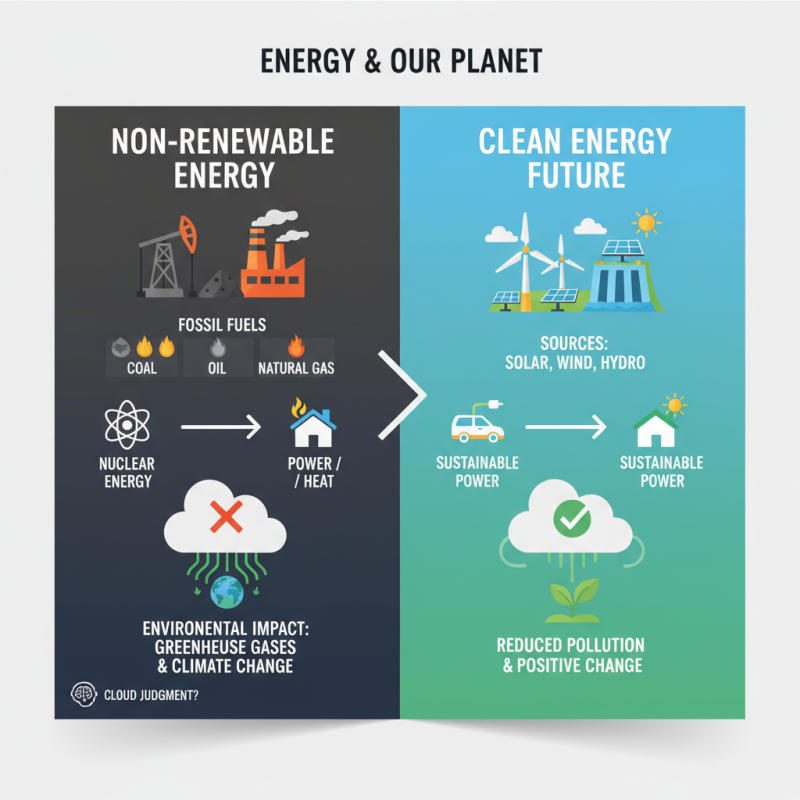
Energy shapes our daily lives. Non-renewable sources, like fossil fuels and nuclear energy, significantly impact the environment. Fossil fuels include coal, oil, and natural gas. They power vehicles and heat homes. However, their extraction and use produce greenhouse gases. This contributes to climate change. The need for more energy often clouds judgment.
Nuclear energy is another vital source. It provides substantial electricity without emitting carbon dioxide. However, it comes with risks. Accidents can have catastrophic consequences. Waste disposal remains a significant challenge. Some argue that the benefits outweigh the risks. Others feel uneasy about nuclear power's safety.
Tips: Consider reducing fossil fuel use in daily life. Walk or bike for short trips. Support renewable energy development where possible. Make informed decisions about energy usage. Every action counts in the fight against climate change. Reflect on energy choices and their long-term effects on the planet.
Energy plays a crucial role in our daily lives. From powering our homes to fueling our cars, energy is everywhere. Most of us rely heavily on electricity. Lights illuminate our evenings, and appliances make life easier. But we often forget the sources of energy. Are they sustainable? The impact of our choices is profound.
Consider the economic development aspect. Industries depend on energy for production. Without it, jobs vanish, and economies falter. Yet, heavy reliance on fossil fuels raises concerns. Pollution increases, harming our health. We must reflect on the balance between energy consumption and environmental impact. Energy is essential, but how we source it matters greatly.
Investing in renewable energy could change our trajectory. Solar and wind power offer hope. They promise cleaner air and a stable climate. But transitioning is not easy. Infrastructure needs updating, and costs can be high. It's a complex issue, necessitating awareness and responsible choices from all of us.
| Energy Source | Usage in Daily Life | Impact on Economy | Environmental Impact |
|---|---|---|---|
| Solar Energy | Powering homes and businesses, heating water | Creates jobs in installation and maintenance | Low emissions, minimal land impact |
| Wind Energy | Electricity generation for households and industries | Investments stimulate local economies | Low emissions, land-use considerations |
| Natural Gas | Heating, cooking, and electricity generation | Lower energy costs, boosts industrial growth | Fossil fuel emissions, potential leaks |
| Hydropower | Turbine-driven electricity generation | Provides stable energy costs and reliability | Ecological impact on waterways |
| Coal | Electricity generation and industrial use | Historically significant for industrial growth | High emissions and environmental pollution |
Energy sources significantly affect our environment. Fossil fuels, such as coal and oil, produce greenhouse gases. These gases trap heat and contribute to climate change. It is alarming how our reliance on these sources has led to air and water pollution. What's more, they are finite. As reserves deplete, the search for energy can harm ecosystems.
Renewable energy sources offer a cleaner alternative. Solar and wind energy generate power without emissions. However, they come with their own environmental challenges. For instance, manufacturing solar panels requires resources that can harm the soil and water. Wind turbines can impact bird populations. Balancing our energy needs and environmental preservation is challenging.
Tips for a greener lifestyle: Use energy-efficient appliances. Reduce unnecessary energy consumption. Support local initiatives for renewable energy projects. Choosing sustainable options can lessen our environmental footprint. Every small action counts. We need a mindful approach to energy use to create a healthier planet for future generations.