Top 10 Types of Energy and Their Sources?
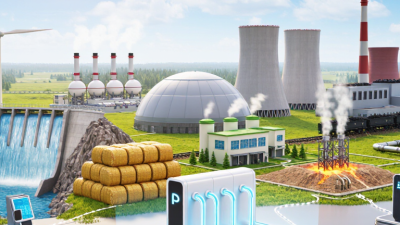
Energy shapes nearly every modern decision, from charging a phone to heating a hospital. This introduction explores the top 10 types of energy and their sources, linking familiar technologies with the physical systems behind them. It covers renewable and nonrenewable forms, including solar, wind, hydropower, geothermal, biomass, coal, oil, natural gas, nuclear, and hydrogen-related energy. Each source has different strengths, limits, costs, and environmental effects.
Energy researcher Vaclav Smil, author of Energy and Civilization: A History, wrote, “Energy is the only universal currency: one must pay for everything one does.” His observation remains useful because energy does not appear from nowhere. Sunlight becomes electricity through panels. Moving water turns turbines. Ancient organic matter becomes fossil fuel over geological time. Small details matter, such as grid reliability, storage capacity, mining impacts, and transmission distance.
This guide treats energy and sources of energy as connected subjects, not separate vocabulary lists. It explains where energy comes from, how people convert it, and why availability differs between regions. Some categories overlap, and hydrogen deserves careful treatment because it is usually an energy carrier, not a primary source. That distinction is easy to miss. The discussion also recognizes uncertainty. No energy system is perfectly clean, unlimited, or equally practical everywhere. A balanced comparison needs evidence, transparent assumptions, and attention to real-world experience. The goal is a clear, dependable starting point for understanding energy choices and their consequences.
Energy Concepts: Forms, Properties, and Classification
Top 10 Types of Energy and Their Sources?
Energy is not one substance. It is a measurable capacity for change, movement, heating, or radiation. The ten common forms are kinetic, thermal, chemical, electrical, radiant, nuclear, gravitational, elastic, sound, and magnetic energy. Their sources differ. Wind supplies kinetic energy, sunlight provides radiant energy, batteries store chemical energy, and reservoirs hold gravitational energy. Uranium releases nuclear energy through fission. Food, fuels, muscles, and ecosystems also contain chemical energy.
Forms describe how energy appears. Sources describe where it comes from. Properties explain how energy behaves during transfer and conversion. Energy is conserved, but its usefulness can decline as heat spreads into the environment. This reflects the second law of thermodynamics. Power is different. It measures how quickly energy moves. A kettle and a power station may use similar principles, but their power levels differ greatly. Classification is useful, yet imperfect.
The Energy Institute Statistical Review of World Energy 2024 reported that fossil fuels still supplied about 80% of global primary energy in 2023. The International Energy Agency reported that global electricity demand rose by roughly 2.2% that year. These figures show why source classification matters. Renewable sources can reduce emissions, but storage, transmission, and material demands remain practical limits. Nuclear energy offers low operational emissions, while its waste and safety requirements demand careful governance. No form is automatically harmless. Context changes the answer.
Mechanical, Thermal, Chemical, and Electrical Energy Sources
Top 10 Types of Energy and Their Sources?
Energy appears in ten common forms: mechanical, thermal, chemical, electrical, radiant, nuclear, sound, elastic, magnetic, and gravitational energy.
Mechanical energy
comes from movement and position. Flowing water, wind, moving vehicles, and raised objects can provide it.
Thermal energy
comes from particle motion. Sunlight, friction, geothermal heat, and controlled combustion are typical sources. Heat moves from warmer objects to cooler ones, often through conduction, convection, or radiation.
Chemical energy
is stored in food, wood, fuels, and rechargeable cells. During a chemical reaction, that stored energy may become heat, motion, or electricity.
Electrical energy
comes from moving charges. Generators convert mechanical motion, while solar cells convert radiant light. Chemical reactions can also produce an electric current.
In real systems, energy changes form, and some becomes unwanted heat. That detail is easy to overlook. My own rough comparison is imperfect because efficiency depends on materials, design, and operating conditions.
Radiant energy
travels as light.
Nuclear energy
comes from atomic changes.
Elastic energy
is stored in stretched materials.
Tips:
Trace the source before judging the energy output. Check whether energy is renewable, stored, or continuously supplied. Measure temperature, motion, or voltage when possible. Simple measurements prevent confident mistakes.
Radiant, Nuclear, Sound, Elastic, Magnetic, and Gravitational Energy
Top 10 Types of Energy and Their Sources?
Radiant energy travels as electromagnetic waves, including visible light, infrared heat, and ultraviolet radiation. The Sun is its most familiar source, while heated objects and electrical devices can also emit it. Nuclear energy comes from changes inside atomic nuclei. Fission releases energy by splitting heavy nuclei, while fusion joins light nuclei under extreme temperature and pressure. Both processes require careful control, shielding, and reliable measurement.
Sound energy moves through matter as vibrations, not empty space. A vibrating string, speaker, drumhead, or human voice can create it. Its strength depends on vibration amplitude, while pitch depends on frequency. Elastic energy is stored when materials bend, stretch, or compress. A drawn bow, compressed spring, and slightly deformed rubber band hold this energy. My early explanation treated elastic materials as perfectly predictable, but real materials lose some energy as heat.
Magnetic energy exists in magnetic fields and can influence moving charges or other magnets. Electric currents, permanent magnetic materials, and changing fields provide common sources. Gravitational energy depends on position within a gravitational field. Water behind a dam, a raised weight, and an object lifted from the floor can store it. These forms often change into one another: falling water gains motion, a generator transfers energy through magnetic fields, and wires deliver electrical output. Measurements still contain friction, heat, and small errors that simple diagrams often hide.
Energy Conversion, Storage, Applications, and Environmental Effects
Top 10 Types of Energy and Their Sources?
Energy appears as kinetic, potential, thermal, chemical, electrical, radiant, nuclear, sound, gravitational, and elastic energy. Their sources include moving water, sunlight, fuels, batteries, atomic reactions, and compressed materials. Conversion links them together. A wind turbine changes kinetic energy into electricity, while a battery stores chemical energy and releases electrical power.
Applications determine value. Thermal energy supports industry and heating. Electrical energy runs hospitals, transport systems, and digital infrastructure. The International Energy Agency reported that global clean-energy investment could exceed 2 trillion dollars in 2024. IRENA recorded about 585 gigawatts of renewable capacity added in 2024. Yet the Energy Institute found fossil fuels still supplied roughly 80% of global energy in 2023. Progress is real, but uneven. Storage remains difficult. The IEA identifies batteries, pumped hydropower, thermal storage, and hydrogen as important options, each with different costs, lifetimes, and material needs. No solution is perfect.
Tips: Match storage duration to the task. Batteries suit short daily cycles, while pumped hydropower supports longer balancing. Measure full life-cycle emissions, not only operating emissions. Also check water use, land disturbance, mining impacts, and recycling routes. The IPCC warns that climate effects depend on total system emissions and local conditions. A low-carbon device can still create pressure elsewhere. That deserves honest review.
Top 10 Types of Energy and Their Sources
Lifecycle greenhouse-gas emissions, energy conversion, storage, applications, and environmental effects
The chart compares approximate median lifecycle greenhouse-gas emissions from electricity generation, measured in grams of CO₂-equivalent per kilowatt-hour. Fossil fuels generally produce the highest emissions, while wind, nuclear, hydropower, solar, and geothermal energy have much lower lifecycle emissions.
| Energy Type |
Primary Source |
Typical Application |
Storage or Conversion |
Main Environmental Effect |
| Coal | Fossil carbon | Electricity and industrial heat | Thermal energy to electricity | Very high CO₂ emissions and air pollution |
| Natural Gas | Methane-rich fossil gas | Electricity, heating, and industry | Chemical energy to heat and electricity | CO₂ emissions and methane leakage risk |
| Biomass | Organic matter | Heat, electricity, and biofuels | Chemical energy to heat or electricity | Land-use pressure and combustion emissions |
| Solar Photovoltaic | Sunlight | Electricity generation | Light directly to electricity; batteries or grids balance output | Low operational emissions; material use and land demand |
| Geothermal | Earth’s internal heat | Heating and electricity | Underground heat to thermal energy or electricity | Low emissions; possible induced seismicity and water impacts |
| Concentrated Solar Power | Sunlight | Dispatchable electricity and heat | Thermal storage, often using molten salts | Low emissions; land and water requirements |
| Hydropower | Moving water | Electricity and grid balancing | Reservoirs store gravitational potential energy | River ecosystem disruption and land flooding |
| Wind Energy | Atmospheric motion | Electricity generation | Mechanical rotation to electricity; batteries or pumped storage may balance output | Low emissions; visual, noise, and wildlife concerns |
| Nuclear | Nuclear fission | Reliable electricity and process heat | Nuclear energy to heat, steam, and electricity | Low carbon emissions; radioactive waste and cooling needs |
| Offshore Wind | Ocean wind | Large-scale electricity generation | Mechanical rotation to electricity; grid or battery storage | Low emissions; marine habitat and construction impacts |
Approximate lifecycle-emission medians are based on widely reported assessments from the IPCC and related life-cycle energy studies. Actual values vary with technology, location, construction materials, fuel supply, and operating conditions.