

Top Environmental Energy Solutions for Global Buyers
Global buyers are entering a decisive phase in environmental energy procurement. Renewable power is no longer a niche option for climate-conscious companies. It now shapes industrial strategy, operating costs, and supply-chain resilience. The International Energy Agency’s Renewables 2024 report projects almost 5,500 GW of new renewable capacity between 2024 and 2030. Solar photovoltaic systems will provide most of this growth. The scale is real.
IRENA reported that renewables represented 86% of new global power capacity added in 2023. However, capacity figures do not tell the complete purchasing story. Buyers must examine grid access, project delivery dates, battery storage, lifecycle emissions, and supplier traceability. A solar panel on a warehouse roof may reduce daytime electricity costs. It may still depend on a constrained grid or opaque mineral supply chain. That gap demands careful evaluation.
Fatih Birol, Executive Director of the IEA, stated, “The clean energy transition is happening worldwide and it’s unstoppable.” His observation supports a practical approach, not a simplistic one. Environmental energy solutions should combine measurable emissions reductions with dependable performance and credible reporting. Power purchase agreements, onsite solar, wind procurement, green hydrogen, and energy-efficiency systems can serve different buyer profiles. The right choice depends on location, demand patterns, financing, and regulatory conditions.
The evidence is strong, but it is not perfect. Forecasts change. Technologies mature unevenly. Buyers should compare independent data, verify certifications, and question impressive claims. This guide examines leading environmental energy solutions for global purchasers, with attention to cost, reliability, scalability, and real-world implementation.
Understanding Environmental Energy Solutions and Their Global Role
Top Environmental Energy Solutions for Global Buyers
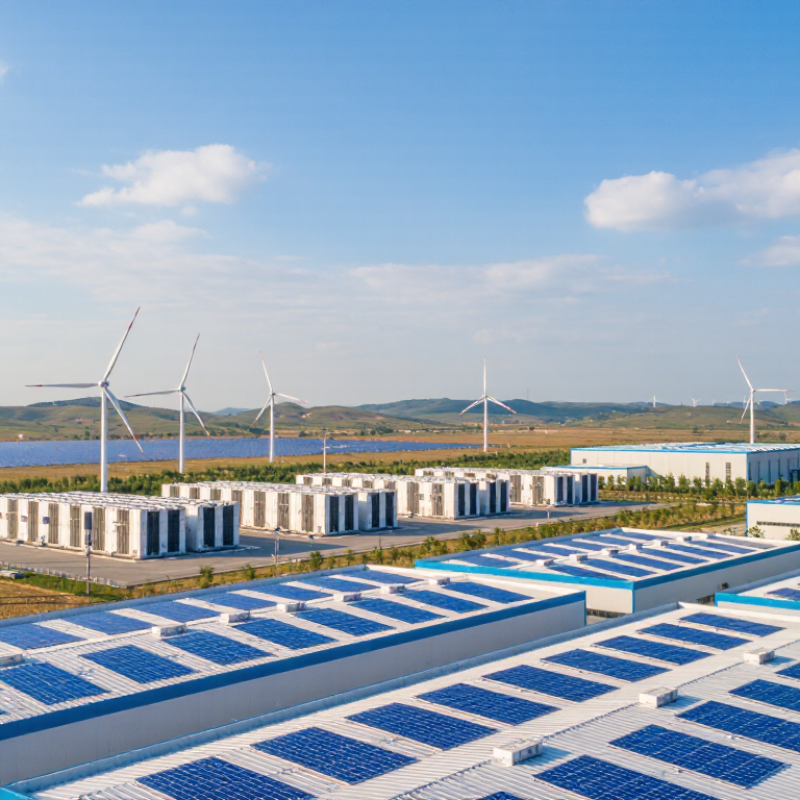
Environmental energy solutions now shape how countries manage power, climate risk, and economic growth. They include renewable generation, battery storage, efficient equipment, smart grids, and lower-emission fuels. The International Renewable Energy Agency’s Renewable Capacity Statistics 2025 reported 585 gigawatts of renewable capacity added in 2024. Renewables represented 92.5% of all new global power capacity. These figures show momentum, but they do not guarantee reliable electricity everywhere.
Global buyers must examine local conditions, not only impressive capacity numbers. A solar project in a dusty region needs cleaning plans, spare parts, and realistic performance estimates. A wind project may require stronger transmission links and seasonal forecasting. Storage also matters when evening demand rises after sunlight disappears. The International Energy Agency’s World Energy Investment 2024 estimated clean-energy investment above two trillion dollars. Yet grid investment remains uneven across markets. That mismatch creates practical risks.
Environmental solutions should therefore be measured through lifecycle emissions, operating reliability, water use, land impact, and workforce capability. The IEA’s Electricity 2024 report projected low-emission sources could supply almost half of global electricity by 2026. The direction is encouraging. The path is not simple. Buyers should request audited data, transparent assumptions, and realistic maintenance records. Carbon reductions can look excellent on paper while local communities receive limited benefits. Better procurement asks harder questions, even when the answers are inconvenient.
Top Environmental Energy Solutions for Global Buyers - Understanding Environmental Energy Solutions and Their Global Role
A comparative overview of major low-carbon energy solutions, their performance indicators, applications, and global relevance.
| Energy solution | Primary environmental role | Indicative lifecycle emissions | Typical performance indicator | Best-fit applications | Global buyer value | Key considerations |
|---|---|---|---|---|---|---|
| Solar photovoltaic power | Generates electricity without direct combustion emissions during operation. | Approximately 41 g CO2-eq/kWh median across assessed utility-scale systems. | Typical capacity factor: about 10–30%, depending on solar resource and system design. | Rooftops, utility-scale projects, commercial facilities, and mini-grids. | Modular deployment, predictable daytime generation, and compatibility with distributed energy systems. | Variable output, land or rooftop requirements, grid connection, and end-of-life material recovery. |
| Onshore wind power | Produces large-scale renewable electricity with very low operational emissions. | Approximately 11 g CO2-eq/kWh median across assessed systems. | Typical capacity factor: about 25–45%, strongly dependent on wind conditions. | Utility-scale electricity generation and regional power systems. | High energy yield in suitable regions and relatively low lifecycle carbon intensity. | Variable generation, transmission needs, visual and acoustic concerns, and biodiversity planning. |
| Offshore wind power | Supplies renewable electricity from stronger and often more consistent marine wind resources. | Approximately 12 g CO2-eq/kWh median across assessed systems. | Typical capacity factor: about 35–55%, depending on the site and technology. | Coastal power markets, industrial demand centers, and land-constrained regions. | Large project scale and high generation potential near densely populated coastal areas. | Higher construction and maintenance complexity, marine permitting, ports, and grid infrastructure. |
| Hydropower | Provides renewable electricity and, in many systems, dispatchable or flexible generation. | Approximately 24 g CO2-eq/kWh median, with substantial site-specific variation. | Capacity factor commonly ranges from about 30–60%, depending on hydrology and plant design. | Grid balancing, seasonal generation, remote electricity supply, and water-resource systems. | Long operating life, system flexibility, and potential energy-storage capability through reservoirs. | Ecosystem disruption, resettlement risks, sedimentation, drought exposure, and long development periods. |
| Geothermal energy | Delivers firm electricity or direct heat by using naturally occurring underground thermal resources. | Approximately 38 g CO2-eq/kWh median for assessed electricity systems. | Capacity factor often ranges from about 70–90% for suitable electricity projects. | Firm power, district heating, industrial heat, greenhouses, and thermal applications. | Continuous output with a relatively small surface footprint where high-quality resources exist. | Resource-specific, drilling-intensive, and potentially exposed to induced seismicity or mineral management issues. |
| Sustainable bioenergy | Converts sustainably sourced organic residues or biomass into heat, fuels, or electricity. | Highly variable; approximately 230 g CO2-eq/kWh is a representative assessed median for biomass electricity. | Dispatchable output is possible, subject to feedstock availability and plant configuration. | Waste treatment, combined heat and power, renewable fuels, and hard-to-electrify sectors. | Can use local residues and provide controllable energy when supply chains are responsibly managed. | Feedstock competition, land-use change, air pollutants, transport impacts, and sustainability certification. |
| Battery energy storage | Stores electricity and improves the reliability and flexibility of renewable-heavy power systems. | Emissions depend on battery chemistry, manufacturing electricity, lifetime, and charging source. | Typical round-trip efficiency: approximately 85–95% for many grid-scale systems. | Peak shaving, frequency regulation, renewable integration, backup power, and microgrids. | Fast response, modular installation, and improved use of variable solar and wind generation. | Degradation, critical-mineral supply chains, thermal safety, recycling, and duration limitations. |
| Electric heat pumps | Replaces combustion-based heating by transferring ambient heat using electricity. | Operational emissions depend mainly on electricity-source carbon intensity and refrigerant management. | Seasonal coefficient of performance commonly ranges from about 2 to 5 in suitable applications. | Residential heating, commercial buildings, district systems, and low-temperature industrial heat. | Can deliver several units of heat per unit of electricity and reduce fossil-fuel demand. | Building insulation, cold-weather performance, electrical capacity, installation quality, and refrigerant leakage. |
Related Posts
-

Top 10 Types of Energy and Their Sources?
-
China Top Clean Energy Suppliers for Global Buyers?
-
Top 10 Clean Energy Innovations Transforming the Future?
-
What Are the Top 10 Types of Alternative Energy?
-
Top 10 Benefits of Alternative Energy for a Sustainable Future
-

10 Best Clean Energy Solutions for Global Buyers